
Our story
An Australian idea that changed men’s lives
The Men’s Shed movement is one of Australia’s most successful community-based social initiatives. What began as a simple idea – a welcoming place for men to meet, share skills and enjoy meaningful activities – has become an international movement promoting friendship, social connection and men’s health and wellbeing.
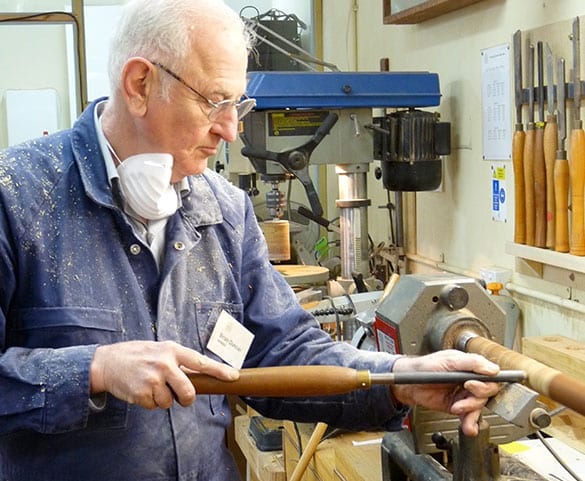
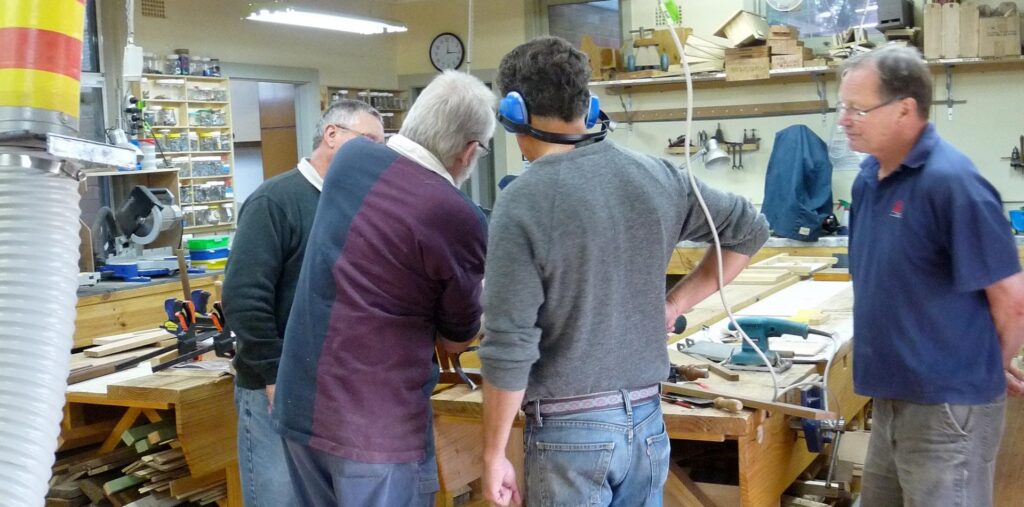
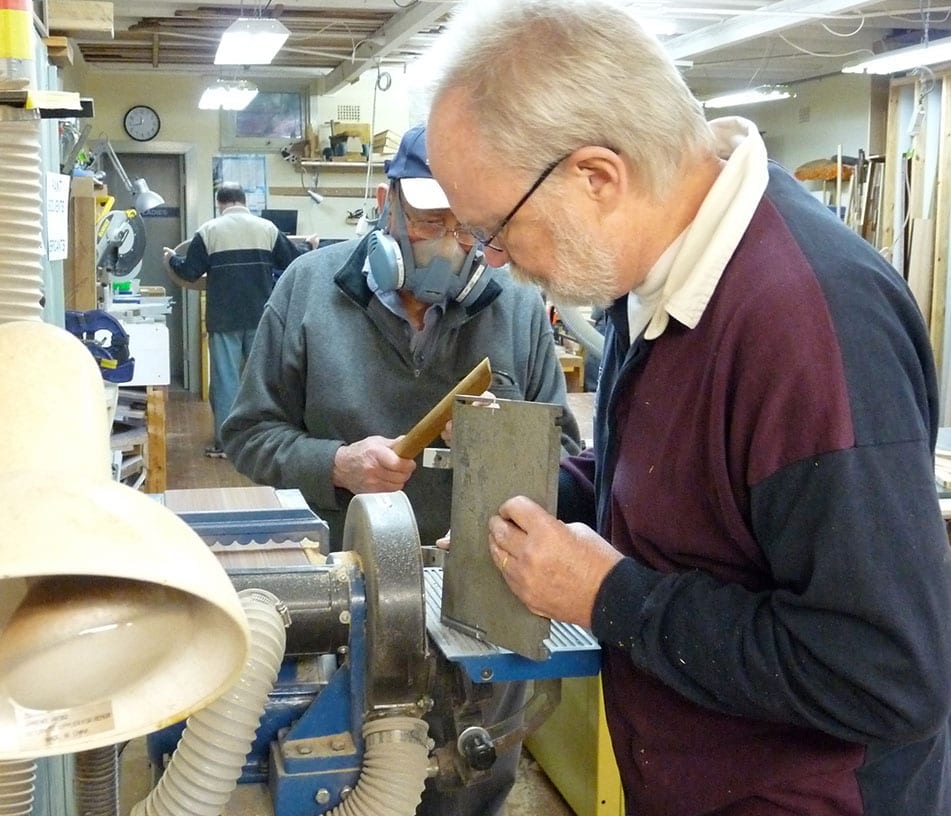
Its success rests on a simple understanding: rather than formal meetings or structured conversations, men often connect more comfortably while working together and contributing to something worthwhile. That principle became known as “shoulder to shoulder”.
The 1990s
The beginnings in Australia
Informal groups of men had gathered in workshops and community spaces for many years, but the modern Men’s Shed movement emerged in Australia in the early 1990s.
One of the earliest recognised community Shed initiatives opened at Goolwa, South Australia, on 24 February 1993, giving older men opportunities to take part in practical activities, keep friendships and stay socially connected. Other pioneering Sheds soon followed, including Lane Cove in New South Wales and Tongala in Victoria.
These early Sheds were set up independently by volunteers, community organisations and health professionals who saw that many men – especially after retirement or other major life changes – lacked opportunities for regular social participation. Each shared a common purpose: somewhere to go, something meaningful to do and people to connect with.
2007
The Australian Men’s Shed Association
By the mid-2000s, Sheds were appearing across Australia and there was growing demand for practical advice on premises, funding, volunteers and safe workshops. In 2007 the Australian Men’s Shed Association (AMSA) was established, with Lane Cove Men’s Shed and the Shed@Windale playing important pioneering roles.
The movement came together at the second National Men’s Shed Conference in Manly, New South Wales, in September 2007. There, researcher Professor Barry Golding expressed the principle that became AMSA’s motto: “Men don’t talk face to face, they talk shoulder to shoulder.”
AMSA connected previously isolated Sheds, shared resources and gave the movement a national voice – while every Shed kept its local ownership and volunteer leadership.
2010 onwards
Government recognition and national growth
In 2010 the Australian Government formally recognised Men’s Sheds in its National Male Health Policy and announced $3 million in support for AMSA and the movement. This established Men’s Sheds as a credible part of Australia’s approach to men’s health and wellbeing.
AMSA went on to run national support programs, from grants for individual Sheds to health promotion and partnerships. The movement spread to metropolitan, regional, rural and remote communities, and today AMSA supports more than 1,300 Sheds across Australia.
A global movement
Taking Men’s Sheds to the world
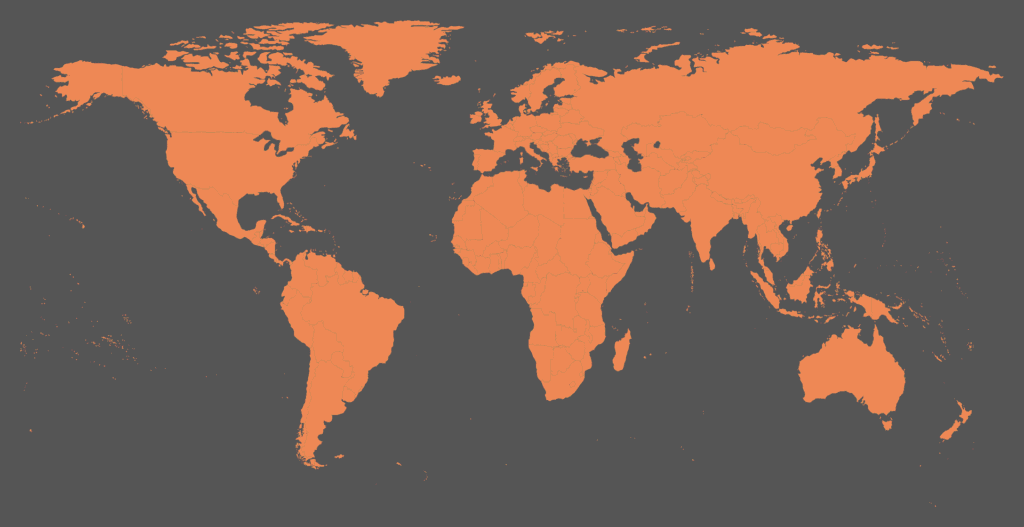
Social isolation, retirement and loneliness affect men everywhere. Men’s Sheds appeared in New Zealand during the 2000s, followed by Ireland and the United Kingdom in 2009. The Irish Men’s Sheds Association was founded in 2011 by John Evoy, after Ireland’s first Shed opened in Tipperary in 2009. Sheds then spread to Canada, the United States and countries across Europe, Asia and Africa.
At the fourth National Men’s Shed Conference in Brisbane in 2011, representatives from Australia, New Zealand, Ireland and the United Kingdom discussed international cooperation – leading to the International Men’s Shed Organisation. Its purpose was never to direct Sheds, but to share information, support new countries and promote the movement worldwide.
Milestones
Historical timeline
1993 – Goolwa, South Australia
1998 – Tongala, Victoria
2007 – AMSA established
2009 – International expansion
2010 – Government recognition
2011 – International cooperation
The next chapter: a Shed for every community
Because sometimes the most important thing made in a Men’s Shed is a friendship.