Why research matters
Understanding why Men’s Sheds work
As Men’s Sheds have spread from Australia to communities around the world, researchers have taken a growing interest in what happens inside them – and why so many men find a place there.
That growing body of research helps explain why the Men’s Shed model can be effective. It has also helped the movement gain recognition among governments, health professionals, researchers and community development organisations, moving Sheds from being seen simply as workshops to being valued as community assets that support men’s social connection, health and participation.
Research gives national associations, funders and policy makers a shared language for the difference Sheds make – and helps new communities make the case for starting one of their own.
Areas of research
What researchers are exploring
Studies of Men’s Sheds look at the relationship between taking part in a Shed and the wider lives of the men involved. Common themes include:
- Social connection – friendship, belonging and reducing social isolation and loneliness
- Health and wellbeing – how regular, meaningful activity supports men’s physical and mental health
- Learning in later life – sharing skills, learning new ones and lifelong learning outside formal education
- Identity and purpose – especially around retirement, unemployment and other major life changes
- Community contribution – volunteering, intergenerational projects and the value Sheds bring to local communities
- Health promotion – how Sheds can work with health professionals to share information in an informal setting
Shoulder to shoulder
What makes the Shed model different
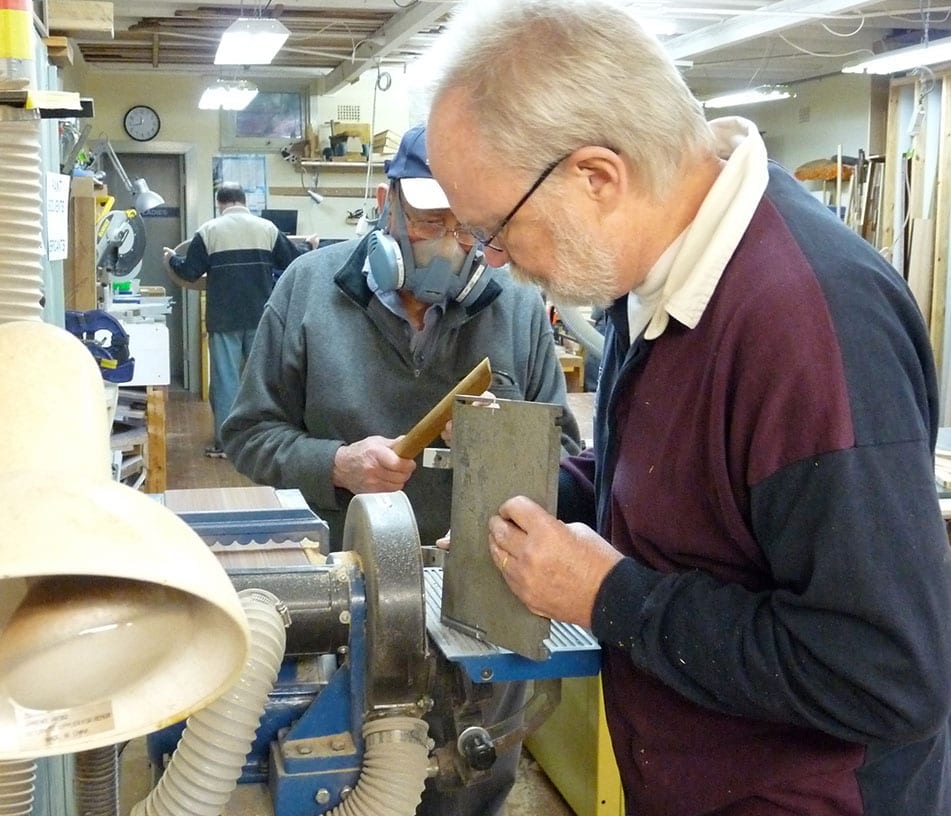
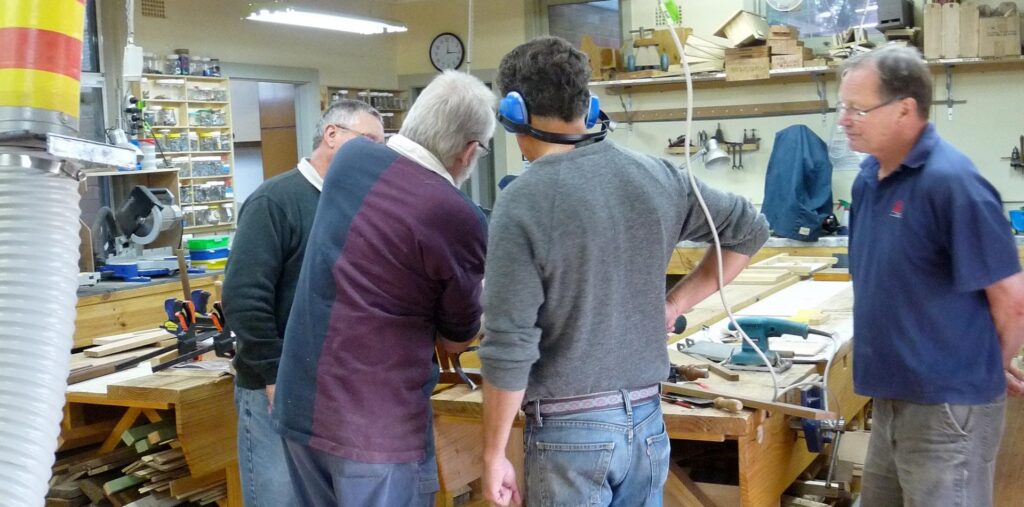
One reason the model stands out is that men don’t need to identify themselves as lonely or in need of support to take part. Instead, Sheds offer meaningful activities and good company in a relaxed environment, and friendships and supportive relationships develop naturally along the way.
This reflects the principle researcher Professor Barry Golding expressed at the 2007 National Men’s Shed Conference in Manly: “Men don’t talk face to face, they talk shoulder to shoulder.” Working side by side on something worthwhile takes the pressure off, and conversation follows.
Importantly, a Men’s Shed is not a medical service or a substitute for professional healthcare. Its strength is an informal, welcoming setting where men feel comfortable connecting with others and accessing information and support when they need it.
Our role
Building the evidence together
IMSO promotes access to research, practical guidance and examples of successful Men’s Shed programs, so that national associations and new Sheds can learn from what already works. Where research and resources already exist, we point people to them rather than duplicating work done elsewhere.
We also connect researchers with national associations, Sheds and supporters across borders, helping studies reach the people they are about – and helping their findings reach the people who can use them.
Our shared global voice is built on evidence, experience and a commitment to improving opportunities for men worldwide. If you are researching Men’s Sheds, men’s health or social connection, we would like to hear from you.

Researching Men’s Sheds?
Share your work with us, or ask us to connect you with national associations and Sheds around the world.